
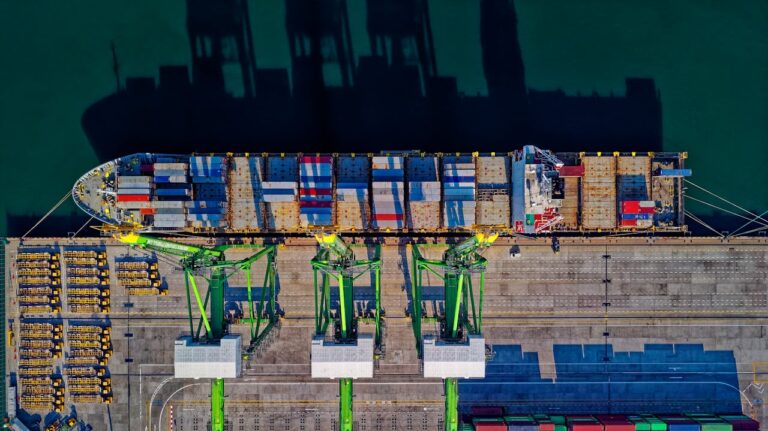

The maritime and offshore industries are facing increasing pressure to reduce their environmental impact. This shift toward greener operations requires more than just new fuels; it demands innovation across all onboard systems.
The equipment used for lifting and handling solutions, such as cranes and winches, plays a significant part in this transition.
Implementing new technological solutions is key to achieving efficiency and meeting stringent environmental standards.
By focusing on energy consumption and operational precision, these systems can help vessels operate more responsibly.
A new standard for lifting equipment
Efficiency in modern lifting equipment goes far beyond lifting capacity. It involves optimizing power consumption throughout every phase of operation.
Advanced systems incorporate features like regenerative braking, which captures and reuses energy, and variable speed drives that adjust power usage to the load. These technologies allow for significant reductions in fuel use and emissions.
Improving efficiency is an ongoing priority for equipment manufacturers, who continuously work to make their systems smarter and more responsive to the needs of the vessel.
The result is a system that not only performs its function but also contributes to the overall energy savings of the ship.
Minimizing risks and waste
Accurate and reliable control systems are another pillar of sustainable operations. Modern cranes and winches are equipped with sophisticated sensors and control software that enable operators to perform tasks with a high degree of precision.
This reduces the time and power needed for each lift. It also minimizes the risk of damage to cargo or equipment, preventing waste and the need for costly repairs.
With enhanced control, operators can execute complex maneuvers smoothly and efficiently, ensuring that every movement is deliberate and productive.
Reducing environmental footprint
The longevity and robustness of lifting equipment directly influence its environmental impact. High-quality materials and durable design mean a longer service life, reducing the need for frequent replacements.
A longer operational life also means less energy and fewer resources are consumed in the manufacturing process of new units. Manufacturers are therefore focusing on building systems that can withstand harsh marine and offshore environments, while also offering comprehensive support throughout the product’s lifecycle.
Meeting industry standards and regulations
As international regulations on emissions and environmental practices become stricter, the demand for compliant equipment grows. Equipment that is designed with sustainability in mind helps companies navigate these new requirements.
Such systems not only meet current standards but are also built with a forward-looking approach to anticipate future regulations. This proactive stance ensures that vessels remain operational and competitive in a market where environmental performance is increasingly a differentiator.

0 Comments