
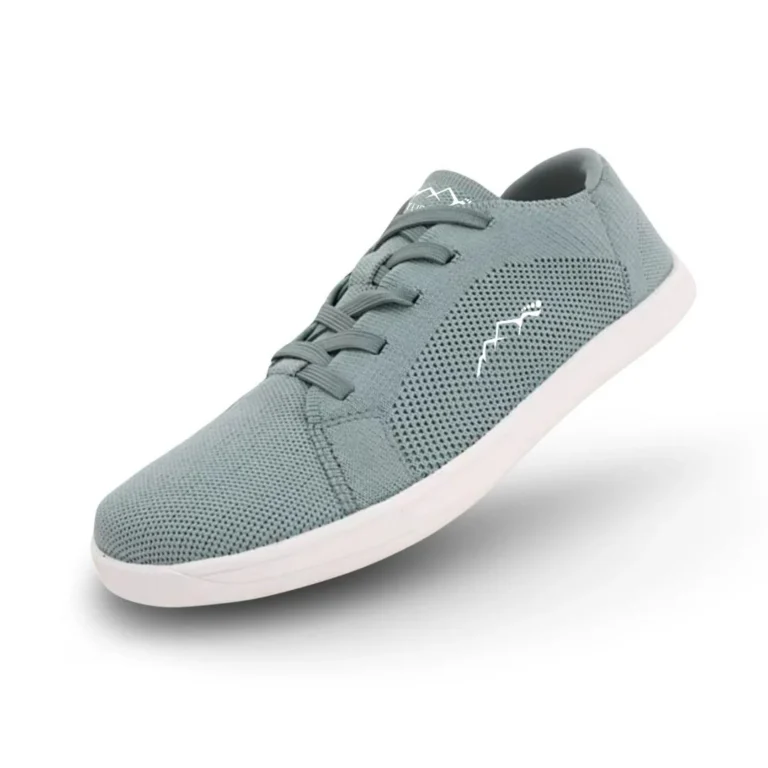

Warmer months bring with them a natural invitation to lighten up, move more and spend more time outdoors. For those who have embraced minimalist footwear, or who are curious about taking the first step, summer barefoot shoes for men offer a seasonal range that combines the principles of minimalism with designs suited to heat, humidity and the varied surfaces of summer life.
Why summer is the ideal season to try barefoot footwear
There is something almost intuitive about the connection between summer and barefoot walking. Beaches, parks, warm pavements: the warmer months naturally push people toward lighter footwear and, often, toward going shoeless altogether. For those who want the proprioceptive benefits of ground contact without sacrificing protection from hot asphalt, sharp gravel or urban surfaces, summer minimalist shoes offer a compelling middle ground.
The warmth also helps with adaptation. Feet that have spent winter in insulated, cushioned boots are often stiffer and less mobile. Summer’s natural tendency toward lighter activity and varied terrain, from grass to sand to light trails, provides an ideal environment for gradually reintroducing the foot to more natural movement patterns.
What changes in summer minimalist footwear design
The core principles of barefoot footwear remain constant across seasons: zero or near-zero drop, thin and flexible sole, wide toe box, no structural support. But the specific demands of summer use shape design choices in meaningful ways.
Breathability becomes a priority. A shoe worn in warm weather without adequate ventilation quickly becomes uncomfortable and creates conditions for skin irritation and odor. Summer barefoot shoes for men typically feature open mesh uppers, perforations or sandal-style constructions that allow maximum airflow around the foot.
Sandal formats are particularly popular in the summer minimalist category, and for good reason. They offer complete ventilation, easy on-and-off and a sensory experience very close to barefoot walking, while providing the essential protection of a flexible sole underfoot. A well-designed minimalist sandal with a secure strap system can handle everything from city walking to light outdoor trails.
Water resistance and quick-drying properties matter for those who will be near water, crossing streams or caught in summer rain. Some summer models use synthetic materials or treated mesh that shed water quickly and dry within minutes.
Sole considerations for warm-weather use
Summer surfaces present specific demands that affect sole design choices. Hot asphalt can transfer significant heat through very thin soles, so a slightly thicker rubber compound may be preferable for extended city use. Beach and coastal environments call for soles with adequate grip on wet rock and sand without excessive texture that traps debris. Lightweight trail surfaces require puncture resistance without sacrificing flexibility.
The good news is that the minimalist footwear category has developed sufficient variety to address these different contexts. Matching the specific sole characteristics to the primary intended use environment is a worthwhile step in the selection process.
Building summer into a year-round minimalist practice
For those who are new to minimalist footwear, starting in summer has a practical advantage beyond comfort: the natural tendency to spend more time barefoot during warmer months means the transition happens gradually and organically.
Using the summer months as a deliberate training phase, combining barefoot time at home and on natural surfaces with progressive use of minimalist shoes outdoors, can significantly smooth the path toward year-round minimalist footwear use.

0 Comments