
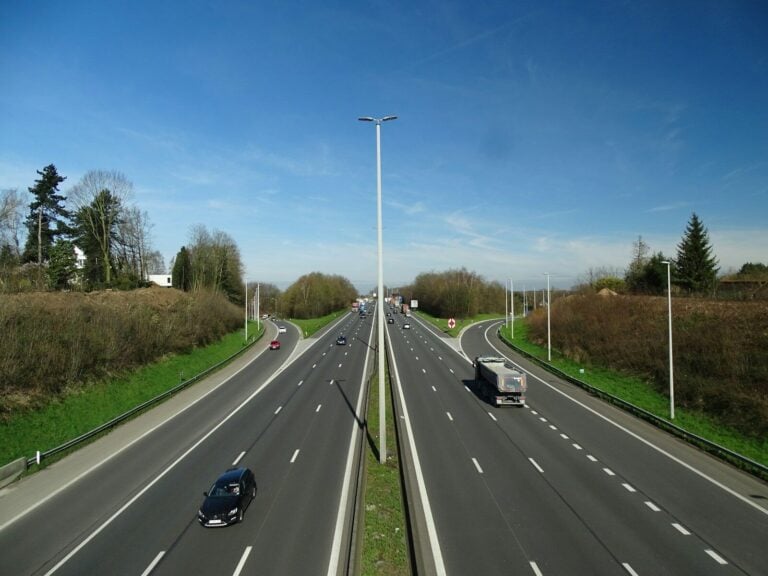

Operating a vehicle at high speeds on an interstate requires a unique set of skills and a constant state of high alertness. The open road offers a sense of freedom that often masks the incredible amount of kinetic energy involved in every single trip. Drivers must respect the power of the machines they control during their daily commute.
When a collision occurs at seventy miles per hour, the resulting forces are vastly different from a low speed parking lot bump. The momentum of the vehicle carries it through multiple impacts before it finally comes to a rest. This violent transfer of energy is what leads to the catastrophic damage seen in major accidents.
The physics of these events demand a high level of respect from every person who enters the highway system today. Small errors in judgment are magnified by the velocity of the traffic flow. It is essential to understand the mechanics and the risks associated with high speed highway crashes to stay safe.
Common Causes Of High Speed Pileups
Interstate traffic often moves in dense packs where the distance between vehicles is much smaller than safety guidelines actually recommend. This close proximity creates a high stakes environment where one driver’s sudden braking can trigger a massive chain reaction. It only takes a single moment of inattention to cause a disaster.
Tailgating is a primary factor in the development of multi car pileups on the open road during busy travel periods. When a lead vehicle stops abruptly, the following drivers have almost no time to react and avoid a rear end strike. The lack of space turns a minor issue into a major event.
Sudden lane changes without signaling also contribute to the chaos by forcing others to make evasive maneuvers at high speeds. These jerky movements often lead to a loss of control and secondary impacts with concrete barriers or other cars. Staying predictable is the only way to ensure safety for everyone.
Structural Integrity And Vehicle Safety Tech
Modern automotive engineering has focused heavily on protecting occupants during the extreme forces of a high velocity impact on the road. Crumple zones are designed to absorb and redirect the kinetic energy away from the cabin where the passengers are sitting. This sacrificial metal saves lives by slowing down the deceleration.
Safety cages and reinforced pillars maintain the space inside the vehicle even when the exterior is crushed during a violent roll. These structures provide a survival space that is essential for preventing the cabin from collapsing on the occupants. Engineering is the silent hero of many high speed survival stories today.
Active safety technologies like automatic braking and lane keeping assistance also help mitigate the severity of a potential strike. These systems provide a second layer of defense that can react faster than a human driver in a crisis. Technology and structural design work together to provide a comprehensive and reliable safety net.
The Challenge Of Merging And Interchange Safety
Merging onto a high speed highway is one of the most demanding tasks for any driver on a daily basis. You must match the speed of the existing traffic while searching for a gap that is large enough to enter safely. This transition requires a high level of coordination and focus.
Interchanges and exit ramps are frequent locations for side swipe incidents because of the constant lane changes and varying speeds. Drivers often wait until the last possible second to move over, which creates a dangerous situation for everyone nearby. These areas demand extra caution and a very high level of situational awareness.
Proper signaling and early preparation are the keys to navigating these complex transition zones without any incidents or trauma. Giving others enough time to react to your movements reduces the stress of the merge for everyone. Strategic planning on the road is the foundation of a much safer journey for all.
Commercial Trucks And Passenger Car Interactions
The presence of massive freight carriers adds another layer of complexity to the environment of a modern highway system. These vehicles weigh up to eighty thousand pounds and require much longer distances to come to a complete and safe stop. Sharing the road with them demands a specific set of habits.
Passenger cars often find themselves in the blind spots of these large rigs, where the driver cannot see them at all. This lack of visibility leads to dangerous situations during lane changes or sudden merges into the flow of traffic. It is vital to give these large vehicles plenty of space.
The interaction between small cars and heavy trucks is a high stakes dynamic that requires patience and respect from everyone. Avoiding sudden maneuvers in front of a rig ensures that the professional driver has time to react. Safety depends on a shared commitment to awareness and responsible behavior on the public road.
Navigating The Legal Aftermath Of Interstate Accidents
The legal investigation into a high speed accident is often much more complex than a standard residential collision case today. With multiple vehicles and drivers involved, determining the exact sequence of events requires a thorough review of every available piece of evidence. This process is essential for reaching a fair and just result.
Experts use digital data from the vehicles and physical analysis of the scene to reconstruct the crash with high precision. They look for signs of speeding or equipment failure that might have contributed to the initial or secondary strikes. This scientific approach removes much of the guesswork from the long legal process.
Reaching a final resolution allows the victims to recover the resources needed for their medical care and their future well being. It provides a sense of closure after the trauma of being involved in highway crashes. Following the facts ensures that justice is served for every person impacted by the event.

0 Comments