

Modern engines rely on precise air-fuel mixtures to deliver optimal performance, fuel efficiency, and emissions control. One small but critical component responsible for maintaining that balance is the oxygen sensor. Often referred to as the O2 sensor, this device continuously monitors the amount of oxygen in your vehicle’s exhaust gases and sends real-time data to the engine control module (ECM).
When functioning properly, oxygen sensors help your engine run smoothly, reduce harmful emissions, and maximize fuel economy. However, when they fail, they can trigger warning lights, cause rough performance, and increase fuel consumption. Knowing how oxygen sensors work — and how to identify problems early — can help you avoid costly repairs down the road.
If you suspect an issue, researching oxygen sensor replacement options early can prevent extended engine inefficiency and potential catalytic converter damage.
How an O2 Sensor Improves Fuel Efficiency
Your engine constantly adjusts the air-fuel ratio to maintain efficient combustion. The ideal ratio for gasoline engines is approximately 14.7 parts air to 1 part fuel. Oxygen sensors measure leftover oxygen in the exhaust stream and communicate whether the mixture is running rich (too much fuel) or lean (too much air).
Real-Time Fuel Trim Adjustments
When the oxygen sensor detects excess oxygen, it signals the ECM to inject more fuel. If it detects too little oxygen, the system reduces fuel delivery. These continuous micro-adjustments ensure optimal combustion, improving both power output and fuel efficiency.
Without accurate oxygen sensor feedback, your engine may default to a preset fuel map. This often results in excessive fuel consumption and reduced performance.
Protecting the Catalytic Converter
An imbalanced air-fuel mixture can damage the catalytic converter over time. Running rich sends unburned fuel into the exhaust system, causing overheating and internal breakdown of the converter’s substrate. Replacing a catalytic converter is significantly more expensive than addressing an oxygen sensor issue early.
Supporting Emissions Compliance
Oxygen sensors are essential for meeting emissions standards. Vehicles typically have multiple sensors — upstream (before the catalytic converter) and downstream (after the converter). The upstream sensor controls fuel mixture, while the downstream sensor monitors catalytic converter efficiency.
If your vehicle fails an emissions test, a faulty O2 sensor may be the cause.
Common Signs of a Faulty Oxygen Sensor
Oxygen sensors naturally wear out over time due to constant exposure to high heat and exhaust contaminants. Most manufacturers recommend replacement between 60,000 and 100,000 miles, though this varies by vehicle.
Recognizing early warning signs can prevent performance issues from escalating.
Check Engine Light
One of the most common indicators of a failing oxygen sensor is an illuminated check engine light. Diagnostic trouble codes often reference O2 sensor heater circuits, slow response times, or signal range issues.
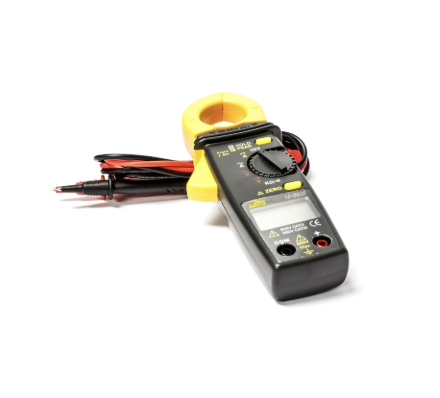
Before replacing parts, proper testing is critical. A multimeter tester can measure voltage output from the sensor to verify whether it is switching correctly between rich and lean conditions.
Poor Fuel Economy
If you notice a sudden drop in miles per gallon without changes in driving habits, the oxygen sensor may be providing inaccurate readings. This can cause the engine to run rich, increasing fuel consumption.
Rough Idling or Hesitation
Faulty oxygen sensors can lead to uneven fuel delivery, resulting in rough idle, hesitation during acceleration, or even engine misfires.
While diagnosing drivability concerns, it’s important to rule out ignition system problems as well. An ignition coil tester can help determine whether misfires stem from a failing coil rather than a sensor issue.
Failed Emissions Test
If your vehicle fails an emissions inspection, oxygen sensor performance is often one of the first systems checked. Slow sensor response times or incorrect readings can prevent proper emissions control.
Sulfur or Rotten Egg Smell
A persistent sulfur odor from the exhaust may indicate a rich-running condition. When excess fuel enters the exhaust stream, it can overload the catalytic converter and produce this distinct smell.
When to Replace and Why It Matters
Ignoring a failing oxygen sensor can lead to long-term engine damage. Poor fuel mixture control increases carbon buildup, reduces efficiency, and may damage other emissions components.
Replacing a worn oxygen sensor restores proper air-fuel balance and helps maintain consistent engine performance. In many vehicles, replacement is straightforward and requires basic hand tools. However, always ensure the engine is cool before attempting removal, as sensors are mounted in high-temperature exhaust components.
Regular maintenance and timely diagnostics play a significant role in preventing cascading issues. Monitoring sensor performance and responding promptly to warning signs protects not only your engine but also your wallet.
Conclusion
Oxygen sensors are small components with a major impact on engine performance, fuel efficiency, and emissions compliance. By continuously monitoring exhaust gases and guiding fuel trim adjustments, they ensure your engine runs at peak efficiency.
When symptoms such as poor fuel economy, rough idling, or a check engine light appear, proper testing and timely replacement are essential. Using the right diagnostic tools and understanding how the system works can prevent minor issues from turning into costly repairs.
Staying proactive about oxygen sensor health keeps your vehicle performing efficiently, reduces emissions, and extends the life of critical engine components — helping you drive with confidence mile after mile.

0 Comments