
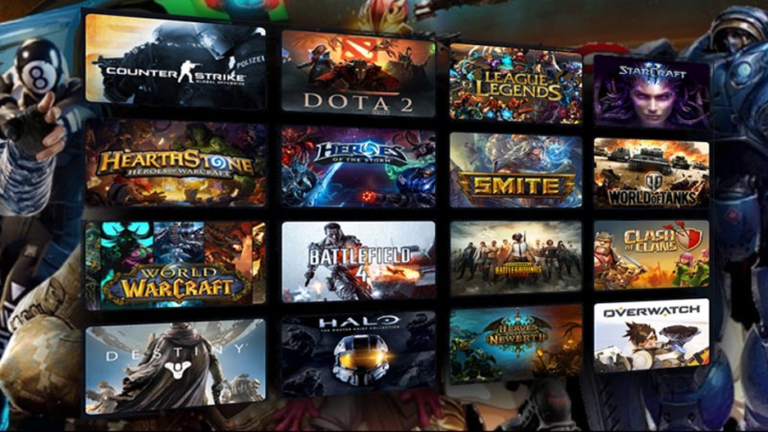

Esports in the United States has grown into a mainstream form of sports entertainment. What once existed mainly online now fills arenas, attracts major sponsors, and draws millions of viewers across streaming platforms. Competitive gaming is no longer just about playing games well. It is about leagues, franchises, star players, and long-term fan loyalty.
The most popular esports games in the US are those that combine strong competitive formats with consistent developer support and clear storylines. These titles dominate viewership numbers, drive media coverage, and shape the future of the industry.
Understanding which games lead the scene helps explain why esports continues to grow across North America.
Esports Viewership Trends in the United States
US esports viewership continues to grow, driven largely by streaming platforms. Fans watch live matches, follow favorite players, and engage with content throughout the season.
Major tournaments now attract sponsorships from brands traditionally associated with sports. This crossover has helped esports gain legitimacy among mainstream audiences.
As viewership grows, so does interest in match outcomes, performance trends, and competitive analysis. This has also fueled growth in related markets such as esports betting, where fans engage more deeply with the competitive side of gaming.
What Popularity Means in the US Esports Market
In the US, esports popularity is measured by more than player counts. A successful esports game needs strong viewership numbers, recognizable teams, and regular high-profile events. Media presence also matters. Games that receive coverage from major sports outlets tend to grow faster and reach wider audiences.
Another important factor is accessibility. American fans want games that are easy to follow, even if they do not play them. Clear objectives, visible action, and understandable scoring systems help bring in casual viewers.
These elements explain why only a handful of titles dominate the US esports landscape.
League of Legends: Still the Cornerstone
League of Legends remains one of the most popular esports games in the United States, even after more than a decade at the top. The League Championship Series (LCS) plays a major role in keeping the game relevant for American audiences.
What makes League of Legends successful in the US is its franchise model. Teams represent cities, operate year-round, and build long-term fan bases. Regular-season matches lead into playoffs, creating a structure that mirrors traditional American sports leagues.
International events like the World Championship also attract strong US viewership, especially when North American teams perform well. Despite changes in the competitive scene, League of Legends continues to define what a stable esports ecosystem looks like.
Counter-Strike: A Resurgence With CS2
Counter-Strike has always had a strong presence in North America, but the launch of Counter-Strike 2 renewed interest across the US esports scene. The game’s focus on pure skill, teamwork, and strategy appeals to long-time fans and new viewers alike.
Major tournaments featuring North American teams draw large online audiences. The simplicity of the game’s format makes it easy for American viewers to follow. Two teams. One objective. Every round matters.
Counter-Strike’s longevity proves that esports does not need constant reinvention. Strong fundamentals and high-level competition are enough to keep fans engaged.
Valorant: Built for the US Audience
Valorant has quickly become one of the most important esports titles in the United States. Developed by Riot Games, the same company behind League of Legends, Valorant was designed with competition and spectatorship in mind.
The Valorant Champions Tour (VCT) uses a league structure that feels familiar to American sports fans. Regional competition leads to international events, creating clear stakes and season-long narratives.
Valorant’s mix of tactical shooting and character abilities keeps matches fast and visually engaging. This has helped the game attract younger audiences and establish itself as a major force in US esports.
Call of Duty: A Franchised Esports Model
No discussion of US esports is complete without Call of Duty. The Call of Duty League (CDL) represents one of the most ambitious franchised esports models in North America.
Teams are city-based, following a structure similar to the NBA or NFL. This approach appeals strongly to American sports fans who are used to regional loyalty.
Call of Duty’s fast pace and familiar shooter mechanics make it easy to watch. Major events draw strong numbers, especially when rival teams face off. While the competitive meta changes each year, the franchise remains a staple of US esports culture.
Fighting Games and the American Esports Identity
Fighting games hold a unique position in the US esports scene. Titles like Street Fighter and Tekken have deep roots in American gaming culture, especially through local tournaments and live events.
The fighting game community values individual skill and in-person competition. Large tournaments often feel more like traditional sports events, with crowds reacting to every moment.
Although fighting games do not always reach the same viewership numbers as larger esports titles, their cultural impact in the US is significant and long-lasting.
How Developers Shape the US Esports Scene
Developer involvement is especially important in the US market. Games that succeed here usually have clear long-term plans and strong communication with teams and fans.
Riot Games is often cited as the gold standard for esports development. Their structured leagues, consistent updates, and investment in broadcast quality have helped League of Legends and Valorant thrive in North America.
By contrast, games without strong developer backing often struggle to maintain a stable competitive presence in the US.
Challenges Facing Popular Esports Games in the US
Even the most popular esports titles face challenges. Player burnout, long seasons, and frequent balance changes can impact both competition and viewership.
Another issue is competition for attention. American audiences have access to traditional sports, entertainment, and other forms of media. Esports games must constantly prove their value to stay relevant.
The titles that succeed are those that balance innovation with consistency.
The Future of Esports Games in the US
The future of esports in the United States looks strong. New technologies, better production, and growing acceptance among mainstream sports fans continue to push the industry forward.
While new games will emerge, the most popular esports titles are likely to remain those with strong competitive foundations and clear identities. League-based systems, recognizable teams, and consistent storytelling will remain key.
Esports in the US is no longer an experiment. It is an established part of the sports and entertainment landscape.
Final Thoughts
The most popular esports games in the United States earned their status through structure, stability, and fan connection. League of Legends, Counter-Strike, Valorant, and Call of Duty lead the scene, while fighting games maintain a strong cultural presence.
As esports continues to grow, these titles will shape how competitive gaming is viewed by American audiences. The future is not about hype alone. It is about building something that lasts.

0 Comments