

Layered haircuts can completely transform your look—adding movement, volume, and shape without necessarily losing a lot of length. But if you are new to layers, it can be intimidating to explain what you want at the salon. This guide will help you understand the basics and give you clear, simple questions to ask your stylist so you leave the chair feeling confident.
Understanding What Layers Actually Do
Layers are sections of hair cut at different lengths to create shape, texture, and movement. Instead of having one solid line, your hair falls in soft steps.
What layers can help with:
- Add volume to flat hair
- Remove bulk from very thick hair
- Make curls or waves more defined
- Frame your face in a flattering way
Basic types of layers:
- Long layers: Subtle, soft, good for beginners
- Medium layers: More movement, noticeable shape
- Short or choppy layers: High texture, dramatic change
Simple table: Layers and Their Effect
| Layer Type | Best For | Overall Result |
| Long layers | Straight or wavy, most lengths | Gentle movement, safe start |
| Medium layers | Medium–long hair, some thickness | More volume, visible shape |
| Short/choppy | Thick hair, edgy styles | Strong texture, bold look |
Knowing Your Hair and Lifestyle First
Before you talk to a stylist, it helps to understand your own hair and daily routine.
Ask yourself:
- Is my hair fine, medium, or thick?
- Is it straight, wavy, curly, or coily?
- How much time do I want to spend styling it each day?
- Do I use heat tools often, or prefer air-drying?
Scenario:
You have thick, heavy hair that always feels bulky at the ends. You rarely style it with heat and want something that looks good air-dried. In this case, asking for long or medium layers that remove weight but still keep length is usually smarter than going for very short, choppy layers that might require more styling.
Checklist before your appointment:
- You know your hair type and texture
- You have 2–3 reference photos saved on your phone
- You know whether you want to keep your current length or go shorter
What to Say to Your Stylist When You Want Layers
Communication is everything. You don’t need salon jargon—you just need clear descriptions.
Helpful phrases you can use:
- “I want to keep my length, but add movement with soft layers.”
- “My hair feels heavy at the bottom; can you remove some weight without making it look thin?”
- “I’d like face-framing layers around my cheekbones and jawline.”
- “I am a beginner with layers, so I want something low-maintenance and easy to grow out.”
Specific questions to ask:
- “Where will the shortest layer start?” (cheek, chin, collarbone, etc.)
- “How will these layers look when my hair is straight vs wavy/curly?”
- “Will this haircut still look good if I just air-dry it?”
- “How often will I need trims to keep the shape?”
Interactive check:
- If you don’t fully understand what your stylist is suggesting, ask them to show you on your hair or explain with a mirror and hand gestures. It’s okay to ask for clarification—this is your haircut.
Trying Layered Looks Without the Commitment
If you’re nervous about cutting layers into your natural hair, you can experiment first with wigs. This is especially helpful if you’re considering a shorter layered style or a very different shape.
Short layered look idea:
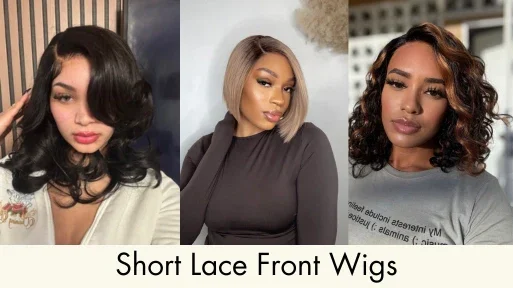
If you’re curious about how shorter, layered hair would frame your face, you can try a piece styled in that direction, such as a short lace front wig. The lace front gives a natural hairline, and you can see how volume, length, and layers work on you before committing at the salon.
Braided and layered vibe:
If you love the idea of face-framing pieces that blend into a styled look, options like braided headband wigs are a fun way to test how layers and braids interact around your face. You get that “done” look quickly, while observing what kind of framing and length you like best.
Styling and Maintaining Layered Haircuts
Once you have layers, styling can become easier—if you work with the shape of the cut.
Simple styling tips:
- For straight hair:
- Use a round brush while blow-drying to flip layers slightly in or out.
- Add a light serum to the ends for smoothness.
- For wavy or curly hair:
- Apply curl cream or mousse and scrunch upward.
- Avoid brushing when dry to keep definition.
- For fine hair:
- Use volumizing spray at the roots.
- Avoid heavy oils that can weigh layers down.
Basic maintenance guide:
| Hair Type | Trim Frequency | Reason |
| Fine/Fragile | Every 6–8 weeks | Prevents thin, wispy ends |
| Medium/Thick | Every 8–12 weeks | Keeps shape without overcutting |
| Curly/Coily | Every 3–4 months | Maintains shape, reduces frizz |
Building Confidence for Your Next Salon Visit
The more prepared you are, the more likely you’ll love your layered haircut.
Before you go:
- Save photos of realistic hair similar to your texture and length
- Decide how short the shortest layer can be (e.g., not above the chin)
- Think about where you want face-framing layers to start
During the appointment:
- Ask your stylist to show you the length before cutting too much
- Request a “softer” or “more subtle” approach if you feel unsure
- Check in halfway through: “Is this about the amount of layering we discussed?”
After the appointment:
- Ask your stylist to show you a quick everyday way to style your new layers
- Note which products they use and how much
- Take a photo on a good hair day to use as a reference for future trims
Layers don’t have to be scary or extreme. With the right questions and a clear idea of your lifestyle and preferences, layered haircuts can become one of the easiest ways to refresh your look, add dimension, and highlight your best features—without sacrificing who you are every day.

0 Comments