
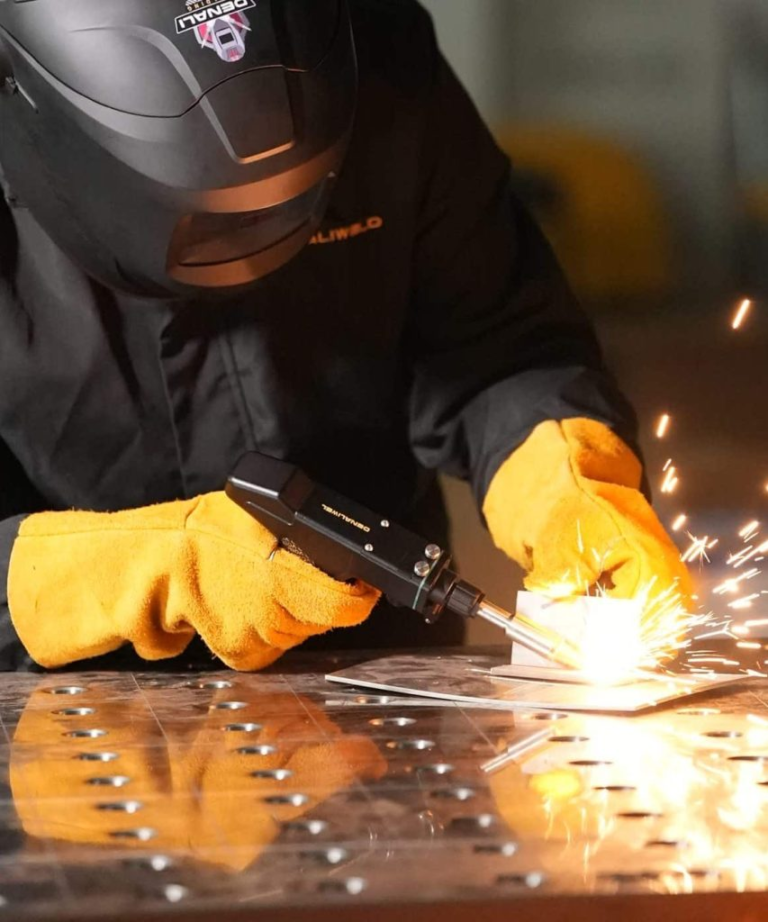

Laser welding has become one of the most effective methods for joining metals with speed, accuracy, and minimal material distortion. As more industries adopt this technology, beginners are increasingly interested in learning how to operate laser welding equipment safely and efficiently.
If you’re planning to work with a laser welder, understanding the essential safety requirements should be your first step. Although laser welding is known for its speed, accuracy, and efficiency, it also presents potential risks that beginners must learn to manage properly. Taking the time to understand safe operating practices, wear the correct protective equipment, and follow established procedures can help you avoid accidents, improve welding results, and gain confidence as you develop your skills.
Common Challenges Beginners Face
Many first-time operators encounter similar concerns:
- Understanding laser-related hazards and risks
- Choosing the correct personal protective equipment (PPE)
- Learning safe machine setup and operation procedures
The good news is that these challenges can be managed with the right knowledge and preparation.
Why Laser Welding Safety Matters
Laser welding systems generate concentrated beams of energy capable of melting and joining metal with incredible accuracy. While this precision is a major advantage, it also means operators must be aware of potential hazards.
Some common risks include:
| Hazard | Potential Risk |
| Laser radiation | Eye and skin injuries |
| Hot metal surfaces | Burns and thermal injuries |
| Welding fumes | Respiratory irritation |
| Electrical components | Shock hazards |
| Reflected laser beams | Accidental exposure |
Safety protocols are designed to reduce these risks and create a safer working environment. Taking shortcuts may save a few minutes, but it can lead to serious accidents or equipment damage.
Essential Personal Protective Equipment for Laser Welding
Eye Protection Comes First
Your eyes are the most vulnerable part of your body during laser welding operations.
Laser beams can cause permanent eye damage in a fraction of a second. This is why laser-specific safety eyewear is mandatory whenever there is a possibility of exposure.
When selecting protective eyewear:
- Ensure it matches the laser wavelength being used
- Verify the optical density rating recommended by the manufacturer
- Inspect lenses regularly for scratches or damage
Never assume standard safety glasses provide adequate laser protection.
Wear Appropriate Protective Clothing
Laser welding can generate sparks, heat, and molten metal particles.
Recommended protective clothing includes:
- Flame-resistant jackets
- Long-sleeved shirts
- Protective gloves
- Closed-toe safety footwear
- Heat-resistant aprons when necessary
Avoid synthetic materials that may melt when exposed to high temperatures.
Respiratory Protection
Metal welding can produce airborne particles and fumes.
Proper ventilation should always be used. Depending on the materials involved, additional respiratory protection may be necessary to maintain air quality and operator comfort.
Setting Up a Safe Laser Welding Workspace
Keep the Area Organized
A cluttered workspace increases the likelihood of accidents.
Before operating equipment:
- Remove unnecessary materials
- Keep cables secured
- Ensure adequate lighting
- Maintain clear walkways
Good housekeeping practices support both safety and productivity.
Use Proper Ventilation
Welding processes may generate fumes that can affect indoor air quality.
Best practices include:
- Installing local exhaust systems
- Using fume extraction equipment
- Maintaining adequate airflow
Clean air contributes to both operator safety and long-term health.
Control Access to the Work Area
Only trained personnel should enter active laser welding zones.
Safety measures may include:
- Warning signs
- Safety barriers
- Designated operating zones
- Restricted access policies
Limiting unnecessary exposure helps reduce workplace incidents.
Safe Operating Procedures Every Beginner Should Follow
Perform a Pre-Operation Inspection
Before starting any welding project, inspect the equipment thoroughly.
Check:
- Power connections
- Cooling systems
- Safety guards
- Emergency stop functions
- Lens cleanliness
Identifying issues early can prevent equipment failure and unsafe conditions.
Follow Manufacturer Guidelines
Every machine has unique operating requirements.
Always:
- Read the user manual.
- Follow startup procedures.
- Use approved settings.
- Observe maintenance schedules.
Skipping instructions can affect both safety and welding quality.
Stay Focused During Operation
Distractions can lead to mistakes.
When operating a laser welding system:
- Remain attentive
- Avoid multitasking
- Monitor weld quality continuously
- Keep hands clear of active work zones
Maintaining concentration is one of the simplest yet most effective safety practices.
Understanding Common Laser Welding Hazards
Reflected Laser Beams
Many beginners focus only on the direct laser beam and overlook reflections.
Certain metal surfaces can reflect laser energy unexpectedly. These reflections may pose a serious hazard if proper precautions are not followed.
To reduce risk:
- Position workpieces correctly
- Use protective barriers
- Wear certified laser safety eyewear
Hot Surfaces and Burns
Even after welding stops, materials can remain extremely hot.
Always:
- Allow cooling time
- Use heat-resistant gloves
- Clearly identify recently welded parts
Never assume a metal component is safe to touch immediately after welding.
Electrical Safety Risks
Laser welding equipment relies on electrical systems that require proper handling.
Basic precautions include:
- Keeping equipment dry
- Inspecting cables regularly
- Reporting damaged components immediately
- Disconnecting power before maintenance
These simple practices help prevent avoidable electrical accidents.
Building Good Safety Habits Through Training
Knowledge is one of the most powerful safety tools available to new operators.
Effective training should cover:
- Laser fundamentals
- Equipment operation
- Emergency procedures
- Hazard recognition
- Maintenance requirements
Regular refresher training helps reinforce safe behaviors and keeps operators updated on best practices.
Practical experience under supervision can also accelerate learning while reducing risk.
Choosing Reliable Equipment for Safer Operations
The quality of your equipment can have a direct impact on workplace safety and performance. Modern systems often include advanced features such as emergency stop controls, safety interlocks, cooling protection, and user-friendly interfaces that support safer operation.
For professionals seeking dependable welding solutions, Denaliweld offers a range of advanced laser welding systems designed for efficiency, precision, and operator confidence.
Conclusion
Learning laser welding safety is not just about following rules. It is about developing habits that protect you, your coworkers, and your equipment every time you work. From wearing proper PPE to maintaining an organized workspace and understanding common hazards, every safety measure contributes to a more productive and secure welding environment.
As you continue your welding journey, make safety your foundation for success. With the right training, preparation, and equipment, you can confidently operate a laser welder while producing high-quality results and maintaining a safe workplace for everyone involved.

0 Comments