
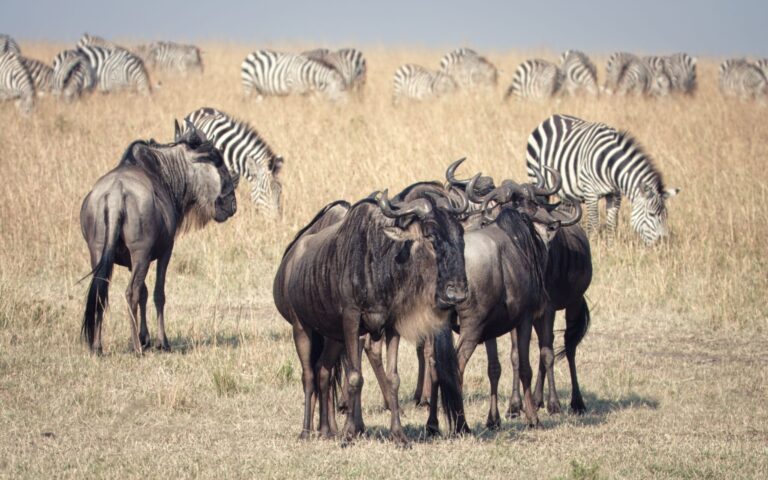

A photography safari across Tanzania and into Zanzibar offers the ultimate visual contrast – merging raw, golden savannahs with turquoise ocean shores. This journey allows ardent creators to capture Africa’s most iconic wildlife, before transitioning to the vibrant coastal textures of the spice islands, writes Vanessa Rogers. Read on for what to see, what to shoot, and how to budget for this bucket-list photographic expedition.
“Travellers embarking on a tailor-made guided photography safari across Tanzania and Zanzibar, having landed at Kilimanjaro International Airport (JRO), will be able to enjoy sights that range from volcanic peaks and savannah plains, to pristine beaches,” says Charles Edelstein, founder and director of Travex.com, a booking platform and travel operator specialising in guided photography tours and workshops.
He adds: “When accessing our explore Tanzania web page, visitors can navigate earmarked maps and suggested points of interest (POIs), including the majestic Serengeti. You can follow our route, or create your very own – but ensure that you click through to each POI suggested, such as the Ngorongoro Crater which is shown below, so as to be 100 percent prepared for what’s coming next.”
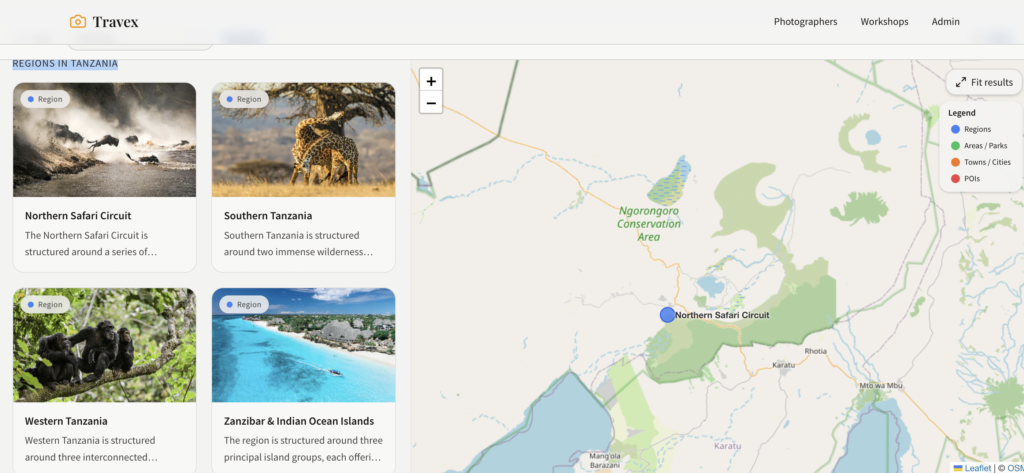
Top four Tanzanian destinations to visit and photograph
1. Serengeti National Park
The Serengeti is the crown jewel of African wildlife photography, famous for its endless horizons and flat-topped acacia trees.
- What to see and do: Track the Big Five, witness massive predator-prey interactions, and embark on a sunrise hot-air balloon flight for sweeping aerial landscapes.
- What to photograph: Capture the dramatic action of the Great Migration as millions of wildebeest and zebra traverse the plains. Focus on big cats – lions, leopards, and cheetahs – utilising the golden hour light to highlight their forms against the tall grass.
2. Ngorongoro Crater
This volcanic caldera forms a pristine, self-contained ecosystem enclosing over 25 000 large mammals.
- What to see and do: Descend 600m into the crater floor for a dense, highly concentrated game-viewing drive surrounded by dramatic caldera walls.
- What to photograph: This is your best chance to photograph the endangered black rhinoceros. The crater walls provide a moody, compressed background – which is perfect for dramatic wildlife portraiture. You can also capture large elephant bulls with massive tusks walking through the Lerai Fever Tree Forest.
3. Tarangire National Park
Known as the “home of the elephants”, Tarangire features a rugged landscape dominated by red earth and colossal trees.
- What to see and do: Go on walking safaris or night game drives to observe nocturnal wildlife that stays hidden during the day.
- What to photograph: Frame massive elephant herds against the backdrop of ancient, distorted Baobab trees. During the dry season, cluster around the Tarangire River to capture dynamic action shots of migratory wildlife that are bravely drinking while predators stalk nearby.
4. Stone Town & The East Coast (Zanzibar)
Zanzibar introduces a complete shift in visual storytelling, trading wildlife for rich cultural heritage and coastal aesthetics.
- What to see and do: Get lost in the labyrinthine alleys of Stone Town, tour a traditional aromatic spice farm, and relax on the powdery white sands of Paje or Matemwe beaches.
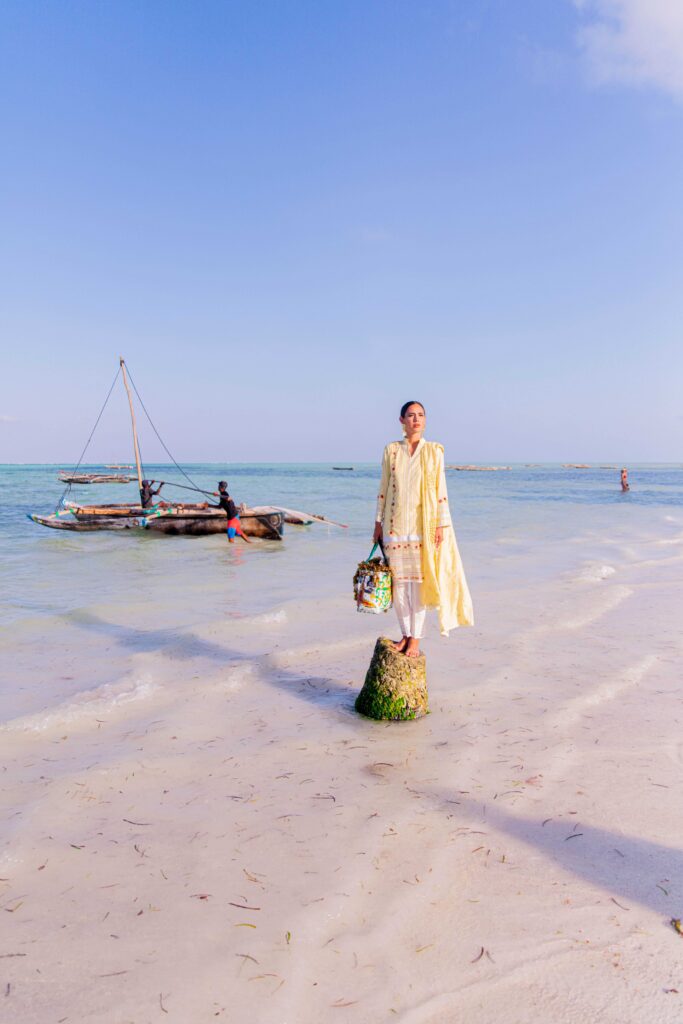
- What to photograph: In Stone Town, focus on the intricate, hand-carved Omani wooden doors, bustling spice markets, and local children diving at sunset off the seawall near Forodhani Gardens. On the coast, capture the stark contrast of local seaweed farmers at low tide against the brilliant turquoise water, or take long-exposure shots of traditional wooden dhow sails cutting across the horizon.
Estimated trip costs
“Photography safaris carry a premium due to specialised vehicle configurations (such as open roofs and camera mounts) and custom pacing,” reveals Edelstein. “Take a look at the table below for an idea of your typical expenses; however a 10-to-12-day 4-star Tanzanian itinerary typically ranges from R75 000 to R145 000 per person sharing, covering upscale lodges, 4×4 transport, and park fees.”
| Safari Tier | Estimated Cost (Per Person) | What is Included |
| Budget / Mid-Range | US$3 500 – US$5 500 (Around US$350 – US$700 per person / night) | Shared vehicles, public campsites or mid-tier tented camps, commercial flights to Zanzibar. |
| Luxury | US$7,000 – US$12,000+ (Around US$1,000 – US$2,500+ per person / night) | Private 4×4 vehicles, luxury safari lodges, private photography guides, internal charter flights. |
•••Budgets exclude international flights, travel insurance, visas, and tips for safari guides (typically US$20 – US$30 per day)
•••US$1 = ZAR16.23
Gear essentials
To maximise your portfolio, pack a camera body with excellent weather sealing to withstand the savannah dust. Bring a telephoto lens (such as a 100-400mm, or a 200-600mm) for distant wildlife, alongside a fast prime lens (like a 35mm, or 50mm f/1.8) to capture the low-light, intimate street scenes of Zanzibar.

0 Comments