
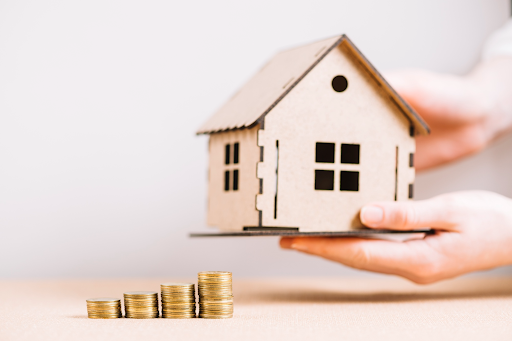

What do you think is the first step in buying a home? Many people believe it’s browsing listings, while others consider looking into mortgage lenders. In reality, knowing how much house you can afford is the first real step in buying your dream home.
Here’s a comprehensive guide explaining what home affordability is and how it is calculated:
What is Home Affordability?
Home affordability refers to an individual or household’s ability to purchase or rent a house without incurring unnecessary financial stress.
Remember that each household has different income levels and expenses, which means that affordability rates vary. Using a home affordability calculator is one of the easiest ways to assess your financial situation and see where you stand.
How to Calculate Home Affordability
AmeriSave home affordability calculators consider the following factors to determine your home buying power:
Monthly Income
First things first, know your gross monthly income. This is your income before taxes and deductions. Remember to include all income sources, such as rental payments, a spouse’s income, and even side gigs.
If you’re salaried, divide your annual income by 12. If you’re a freelancer, calculate an average monthly income based on several months of income. Your monthly income will give lenders a baseline to work with.
Total Monthly Debts
Next, consider all recurring monthly expenses, such as credit card bills, student loans, and auto loans. Make a detailed list of all your debts and write the minimum amounts alongside.
Down Payment
This is the biggest out-of-pocket expense you’ll have to make when taking out a mortgage, and it directly impacts your home affordability. Many lenders consider a 20% down payment to be ideal because it allows you to avoid premium mortgage insurance (PMI). This will also increase your affordability and decrease monthly payments. However, most conventional loans require a down payment of as little as 3% of the home’s total value.
Debt-to-Income Ratio
This is the percentage of your monthly income that goes toward paying debts. Lenders analyze your debt-to-income (DTI) ratio to determine how you will manage mortgage payments. Most home affordability calculators suggest a DTI of 36% by default.
Interest Rate
The interest rate on your mortgage impacts your monthly payments and overall financial situation. Lenders will offer you an interest rate depending on your credit score and down payment.
Property Tax
Home affordability calculators also factor in property taxes by default, but you can edit this amount since the tax rate varies by state, county, and municipality. Getting prequalified can help you get a more accurate property tax amount.
Homeowner’s Association (HOA) Fees
If you’re buying a home in a townhome or condominium, you would have to pay additional Homeowner’s Association (HOA) fees every month. This can directly affect how much house you can afford.
Use the 28/36 Rule
One of the easiest ways to determine your home affordability is to use the 28/36 rule. According to this rule, no more than 28% of your gross monthly income should be spent on housing expenses, and no more than 36% should be spent on all monthly debts. Following these percentages ensures that you don’t end up “house poor.”

0 Comments