
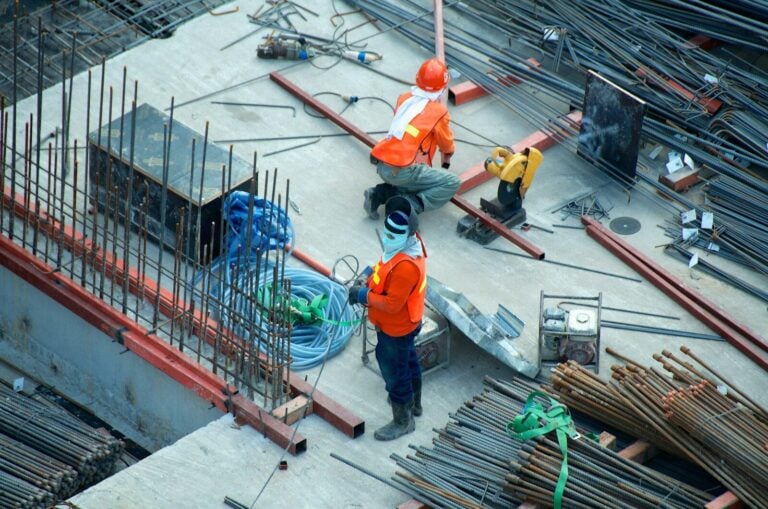

Innovation in construction is often associated with advanced architecture, smart buildings, or cutting-edge engineering technologies. Yet one of the most important drivers of innovation in the built environment is often overlooked: construction material testing and quality control.
Every bridge, road, residential building, or commercial tower depends on the strength and reliability of the materials used to build it. When these materials are not properly tested, even the most sophisticated designs can fail.
Today, as global infrastructure projects grow in scale and complexity, the role of accurate material testing has become increasingly critical. For engineers, contractors, and infrastructure startups, ensuring the quality of construction materials is not just a regulatory requirement, it is a strategic advantage that improves safety, durability, and sustainability.
Why Material Quality Matters More Than Ever
Modern infrastructure faces greater demands than ever before. Buildings must withstand extreme weather, heavy loads, environmental stresses, and decades of continuous use.
Poor material quality can lead to serious consequences, including:
- Structural instability
- Premature deterioration
- Safety risks for occupants
- Expensive repairs and reconstruction
These risks highlight why construction projects rely heavily on systematic testing procedures before and during the building process.
Material testing allows engineers to verify that materials such as concrete, steel, soil, and aggregates meet required performance standards. This verification ensures that the final structure performs as expected over its entire lifespan.
The Role of Testing in Modern Construction Projects
Construction material testing involves analyzing the physical and mechanical properties of materials used in infrastructure projects. These tests provide critical information about material performance under various conditions.
Testing typically evaluates factors such as:
- Strength and load-bearing capacity
- Durability and weather resistance
- Composition and chemical stability
- Compaction and density
Construction teams use these results to confirm that materials comply with engineering specifications and industry standards.
For example, compressive strength testing helps engineers determine whether concrete can safely support structural loads. Soil testing ensures that the ground beneath a structure is capable of supporting the foundation.
Specialized equipment used in these tests allows professionals to measure material performance with high precision. Many platforms offer a wide range of construction material testing equipment used in laboratories and field environments.
Field Testing vs Laboratory Testing
Construction material testing generally falls into two categories: field testing and laboratory testing. Both play essential roles in quality control.
Field Testing
Field testing occurs directly at the construction site. These tests provide immediate insights that allow engineers to make quick decisions.
Common field tests include:
- Soil density tests
- Concrete slump tests
- Moisture content analysis
- Compaction tests
Field testing helps ensure that materials used on-site meet required specifications before they are incorporated into the structure.
Laboratory Testing
Laboratory testing offers a more detailed evaluation of material properties using specialized equipment and controlled conditions.
Examples of laboratory tests include:
- Concrete compressive strength tests
- Aggregate gradation analysis
- Steel tensile strength tests
- Asphalt durability testing
Many testing laboratories rely on advanced instruments and lab supplies designed specifically for construction material analysis.
How Startups Are Innovating in Construction Testing
In recent years, construction technology startups have begun transforming how material testing is performed. These innovations are helping engineers detect issues earlier and improve overall project quality.
Some of the most promising developments include:
Automated Testing Equipment
Automation is improving efficiency and consistency in testing laboratories. Automated compression machines, for example, can analyze concrete samples with greater precision and reduced human error.
Digital Data Reporting
Modern testing systems now integrate digital reporting tools that allow engineers to track material performance throughout a project. This data-driven approach helps project managers identify trends and predict potential issues before they escalate.
Remote Monitoring Systems
Smart sensors embedded in structures can monitor stress, vibration, and environmental conditions in real time. These technologies allow engineers to evaluate how materials perform long after construction is complete.
AI and Predictive Analysis
Artificial intelligence is increasingly being used to analyze testing data and identify patterns that could indicate potential structural weaknesses. Predictive analytics can help engineers make more informed decisions during the construction process.
Material Testing and Sustainable Construction
Sustainability is becoming a central priority in the construction industry. Governments and organizations worldwide are focusing on reducing environmental impact while maintaining infrastructure resilience.
Material testing contributes to sustainability in several ways:
Reducing Material Waste
Testing ensures that materials meet quality standards before they are used in construction. This prevents defective materials from being incorporated into projects and reduces waste.
Supporting Recycled Materials
Many modern construction projects incorporate recycled materials such as crushed concrete and reclaimed aggregates. Testing helps verify that these materials meet performance requirements.
Extending Infrastructure Lifespan
Structures built with properly tested materials are more durable and require fewer repairs over time. This reduces the environmental impact associated with reconstruction and maintenance.
Improving Resource Efficiency
Accurate testing allows engineers to optimize material usage without compromising safety. This balance between efficiency and reliability is essential for sustainable construction practices.
Common Materials That Require Testing
Several key materials must undergo testing during construction projects.
Concrete
Concrete is the backbone of modern infrastructure. Its strength and durability depend on proper mix design, curing conditions, and material composition.
Concrete testing ensures that concrete meets required compressive strength levels and performs reliably under structural loads.
Soil
Before construction begins, engineers analyze soil conditions to determine foundation stability. Soil tests measure factors such as moisture content, density, and load-bearing capacity.
Steel
Steel reinforcement bars and structural components must undergo testing to confirm tensile strength, yield strength, and corrosion resistance.
Aggregates
Aggregates used in concrete and asphalt mixtures must meet specific size distribution and durability standards. Testing ensures that aggregates contribute to structural stability.
The Future of Construction Quality Assurance
As construction projects become more ambitious, the importance of reliable material testing will continue to grow.
Several trends are likely to shape the future of the industry:
Smart Construction Sites
Connected construction environments will integrate sensors, testing equipment, and data analytics to monitor material performance in real time.
Global Testing Standards
As infrastructure projects increasingly span multiple countries, standardized testing procedures will become essential for ensuring consistent quality.
Advanced Non-Destructive Testing
Non-destructive testing techniques allow engineers to evaluate materials without damaging them. These methods are particularly useful for inspecting existing structures.
Integration with Digital Construction Platforms
Material testing data will increasingly integrate with building information modeling (BIM) systems, enabling engineers to track material performance throughout the lifecycle of a project.
Conclusion
Behind every successful construction project lies a foundation of reliable materials and rigorous quality control. Material testing ensures that buildings, bridges, and infrastructure systems can safely withstand the demands placed upon them.
As technology continues to reshape the construction industry, testing methods will become even more precise, efficient, and data-driven. For engineers, contractors, and infrastructure innovators, investing in proper material testing is not simply about compliance, it is about building structures that last.
In a world where infrastructure safety and sustainability are increasingly important, quality testing remains one of the most powerful tools for ensuring that today’s construction projects stand strong for generations to come.

0 Comments