
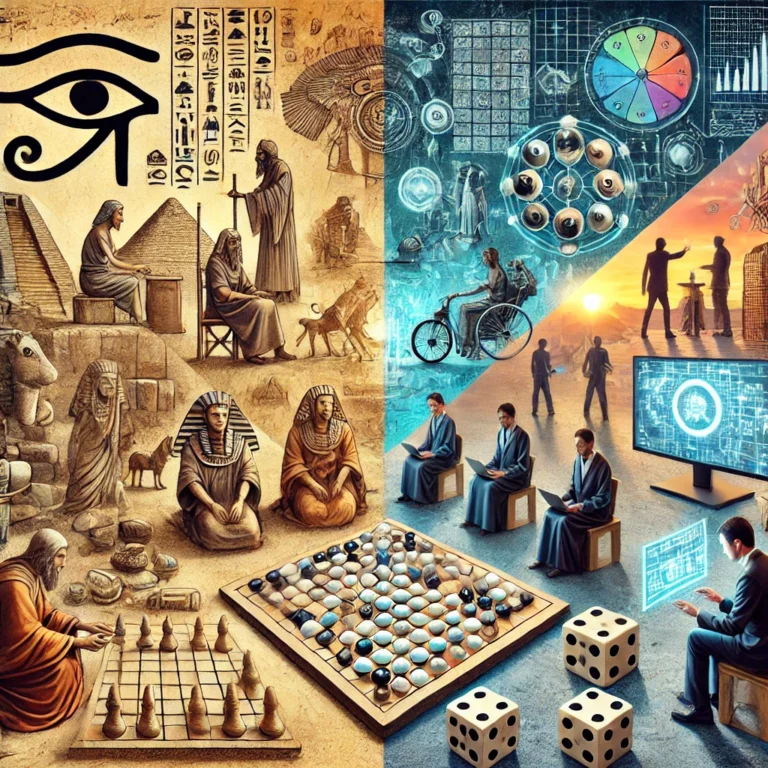

In a world filled with digital distractions, returning to analog activities might seem odd. However, many people are turning to activities like board games as a way to refresh their minds. For instance, they’re a great way to practice mindfulness, build cultural connections, and cultivate innovation.
What Ancient Games Teach Us About Innovation
Across the globe, ancient games have stood the test of time because they stimulate thinking, challenge assumptions, and teach essential life skills. Here’s what five classic games, including Mahjong, show us about innovation:
1. Go (China)
Go is a game of territory with simple rules but deep strategic layers.
Lesson: Simplicity can expand. The best ideas are often the easiest to learn and the hardest to master. Go demonstrates how a simple design can lead to endless creative possibilities.
2. Chess (India/Persia)
Chess is a logic and foresight game that forces players to think several steps ahead.
Lesson: Long-term thinking wins. Like a solid innovation strategy, success relies on balancing offense, defense, and foresight.
3. Mancala (Africa/Middle East)
Mancala is a resource-management game using seeds or stones, requiring players to consider distribution and timing.
Lesson: Master the flow. Innovation isn’t just about having resources; it’s about understanding when and how to use them.
4. Backgammon (Mesopotamia)
Backgammon is one of the oldest known dice games, combining chance and strategy.
Lesson: Prepare for uncertainty. Innovation always comes with risks. What matters is how you adjust to the situation at hand.
5. Mahjong (China)
Mahjong is a complex tile game involving memory, pattern recognition, and patience.
Lesson: Adapt through observation. Mahjong teaches you to rethink your strategy on the spot and stay present, which are vital traits for innovators in rapidly changing environments.
These ancient games remind us that innovation isn’t always about creating something new; it’s about rethinking what already exists, making more intelligent decisions, and designing systems that endure.
Cultural Heritage, Redefined
Games provide something more profound than mere gameplay: they offer cultural heritage. Each tile carries a story, reflecting centuries of tradition and meaning. Games are not just about winning; it’s about participating in a time-honored ritual that connects generations. For many, learning to play honors family, history, and cultural roots that risk disappearing in the digital age. As interest in global traditions grows, more people seek to engage meaningfully with these practices.
What Innovation Can Learn From Tradition
While tech companies push for disruption, ancient games remind us that not all innovation has to be quick. Some of the most impactful ideas arise from slowing down, observing patterns, and making small, intentional changes. There’s wisdom in that pace.
Startups and creative thinkers might discover unexpected insights here. Want to encourage lateral thinking? Use strategy games like Mahjong during brainstorming sessions. Need to boost adaptability? Play backgammon or chess. Ancient games quietly train the mind to think holistically, pivot rapidly, and collaborate effectively.
Innovation Beyond the Game Board
The lessons from ancient games extend beyond metaphors; they provide practical strategies for reshaping how we build, lead, and adapt in our modern lives. In corporate environments, including these games in leadership retreats or team-building activities can enhance collaborative problem-solving in ways that presentations can’t. These games reveal blind spots in our thinking, highlight communication gaps, and foster strategic empathy by helping us understand our position while anticipating the moves and needs of others.
Schools and educational programs are also rekindling the value of these timeless tools. Games like Mancala and Go are being added to STEM curricula and leadership courses, not just for fun, but because they enhance critical thinking, pattern recognition, and creative planning. They encourage students to experiment, fail, and iterate—key components of real-world innovation.
In a time when rapid digital innovation often gets praised, ancient games offer a necessary balance. They reward focus, patience, and resilience. They remind us that the best ideas don’t always come from disruption; sometimes, they emerge from rhythm, reflection, and an understanding of enduring systems.
Back to the Table
As we redefine what it means to be innovative, we may not always need something new. Perhaps what we require is something old, something with tiles and tradition, silence and strategy. Mahjong and similar games might be the surprising teachers we have overlooked.
Sometimes, the most innovative way forward is to look back and think in tiles.

0 Comments