
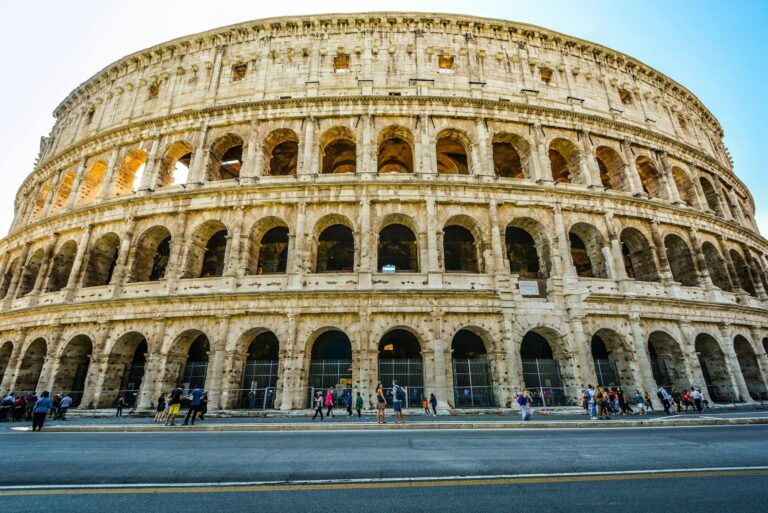

What’s more exciting than getting lost in the winding streets of Rome or sipping espresso at a small café in Florence? Traveling to Italy is a dream for many, but the big challenge often lies in the language barrier. While many tourist spots have some English-speaking locals, many areas still value communication in Italian. Learning a few survival phrases can go a long way—not just for getting around, but even for showing respect to the culture. And if you’re worried about staying connected during your trip, an Italy eSIM is a great way to keep your phone active without the hassle of local SIM cards.
“Buongiorno” Goes a Long Way: Greeting with Confidence
Greeting someone properly in Italy can set the tone for your entire interaction. Italians appreciate politeness, and using the right phrase can make them more open to helping you. “Buongiorno” means “Good morning” or “Good day,” and it’s commonly used until late afternoon. After that, “Buonasera” (Good evening) is more appropriate. A simple “Ciao” is friendly and casual but best used with people your age or younger. For formal situations or when entering shops and restaurants, stick with “Buongiorno” or “Buonasera.”
Also, remember to use “Per favore” (Please), “Grazie” (Thank you), and “Mi scusi” (Excuse me). These words may seem small, but they carry big meanings. They show you’re trying—and that’s always appreciated. Travelers using tools like an eSIM often feel more prepared, but combining that tech advantage with these key phrases really takes your experience to the next level.
Lost in Translation? Learn to Ask for Help
Getting lost is almost part of the adventure in a new country. But you don’t want to stay lost for long. Learn to ask for help clearly and politely. The phrase “Mi sono perso” means “I’m lost” (if you’re male), or “Mi sono persa” (if you’re female). To ask someone if they speak English, say “Parla inglese?” This is a great way to break the ice if you’re unsure whether to continue in English or try your best Italian.
If traveling solo or heading to small towns where English may not be common, knowing how to ask for help in Italian is essential. Pair this with your mobile access using an Italy eSIM, and you’ve got both digital and language tools working for you.
Eating Like a Local: Phrases for Dining Out
Italian food is famous around the world, but the real joy comes in experiencing it firsthand. To enjoy local restaurants with ease, it helps to know a few key phrases. When asking for a table, say “Un tavolo per due, per favore” (A table for two, please). Once seated, “Il menu, per favore” (The menu, please) is your next go-to.
You can use “Vorrei…” (I would like…) followed by your dish when ordering food. For example, “Vorrei la pasta” means “I would like the pasta.” If you have dietary restrictions, you might need to say “Sono allergico a…” followed by the food (e.g., “Sono allergico al latte” means “I’m allergic to milk”).
Of course, when you’re done, say “Il conto, per favore” (The check, please). Dining in Italy isn’t just about the food; it’s also about enjoying the culture, the pace, and the people. These simple phrases can help make the experience more personal and enjoyable.
Shopping and Markets: Speaking the Local Language
Shopping in Italy, especially at local markets, is an experience filled with color, smells, and voices. Unlike chain stores, many markets don’t have self-checkout or barcode scanners, so conversation is key. Use “Quanto costa?” to ask how much something costs. If you want to try something on, say “Posso provarlo?” (Can I try it on?).
Bargaining isn’t as common in regular shops but might be accepted in open-air markets. Always keep it polite. Instead of being pushy, try showing interest and asking for a small discount. Vendors will appreciate your effort to speak their language, and you might walk away with a better deal and a smile.
If you’re shopping for souvenirs or trying local products, being able to ask questions in Italian not only helps you make better choices but also supports local sellers who may not speak English fluently.
Emergencies and Quick Fixes: Staying Safe
While no one wants to think about emergencies on vacation, being ready can make a huge difference. Learn a few basic phrases in case you need help quickly.
Being able to say some things clearly without relying entirely on translation apps can speed up how quickly you get the help you need. Having a travel tool like a digital map or translation app ready via your eSIM makes it even easier to handle these tough moments calmly and quickly.
Final Thoughts
You don’t have to be fluent in Italian for a smooth and enjoyable trip. But learning key survival phrases makes your journey more meaningful, respectful, and fun. Whether navigating the streets, enjoying a meal, shopping at a local market, or handling an emergency, knowing what to say builds confidence and opens doors to deeper experiences. So, before you head to Italy, take some time to practice these simple yet powerful phrases; you’ll be glad you did.

0 Comments