
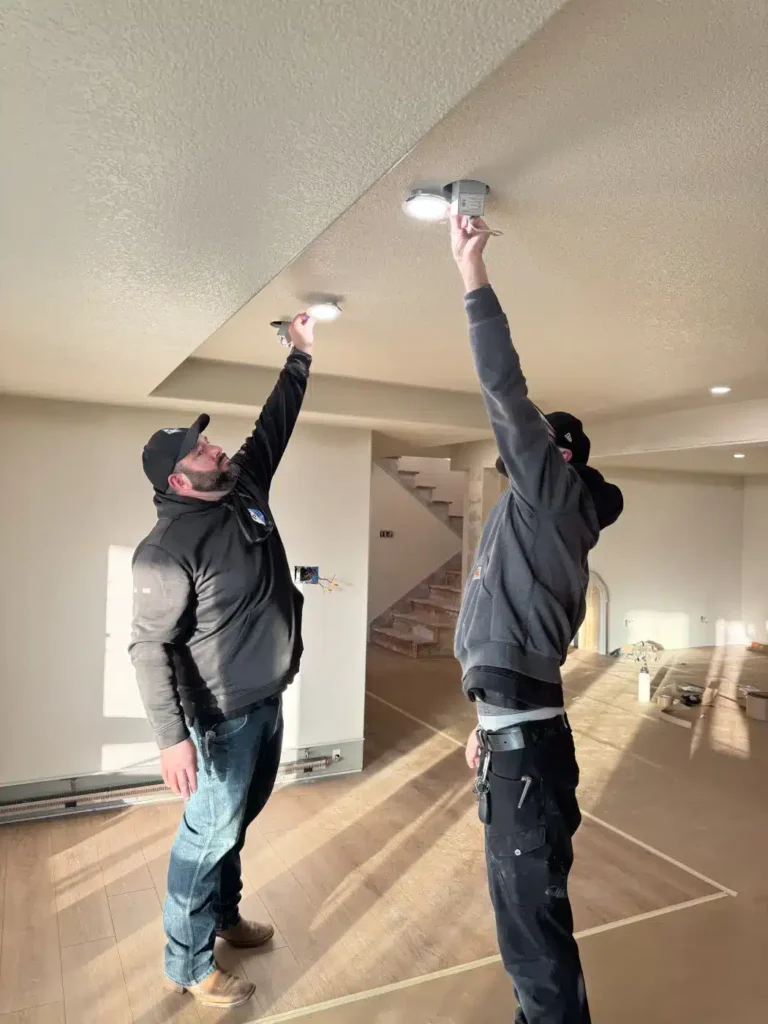

The kitchen light flickers every time the microwave kicks on. The breaker for the bathroom trips whenever someone uses a hair dryer. One outlet in the living room feels a little warm to the touch. Most people shrug these things off. Houses are quirky, right?
Sometimes, yes. But electrical systems don’t usually act strange for no reason. Those little oddities can be early signals that something isn’t quite right behind the walls, and ignoring them for too long can turn a minor issue into a bigger one.
That’s why a qualified electrician Windsor CO homeowners can call is worth having in your contacts. Not every flicker means danger, but recognizing which symptoms deserve a closer look can help keep your home safe, comfortable, and running the way it should.
Why Electrical Problems Often Start Small
Loose connections are a common culprit. Over time, wires at outlets, switches, or in the panel can loosen from vibration, temperature changes, or age. A loose connection can create resistance, which may lead to heat, flickering, or intermittent power.
Overloaded circuits are another frequent issue. Plug too many power-hungry devices into one circuit, and the breaker may trip to protect the wiring. That’s the breaker doing its job, but frequent trips can be a sign the circuit is being asked to do too much.
Aging components and faulty devices round out the list. Outlets, switches, and breakers wear out. Older wiring may not have been designed for today’s demands. And sometimes the problem is simply a worn-out appliance or fixture causing trouble on the circuit. Tracking down the true source takes some detective work.
What Different Electrical Warning Signs Might Mean
Flickering lights can have several causes, from a loose bulb to a loose connection or a heavily loaded circuit. If flickering happens across multiple rooms or coincides with big appliances turning on, it may point to something worth investigating.
Buzzing sounds from outlets, switches, or the panel aren’t normal. Neither are burning odors or discolored, scorched-looking outlets. These signs can suggest overheating or arcing, which is when electricity jumps across a gap. They deserve prompt attention, not a wait-and-see approach.
Repeatedly tripping breakers can mean an overloaded circuit, a short, or a ground fault. That said, symptoms aren’t the same as a diagnosis. Similar signs can come from very different problems, which is why proper inspection matters more than guessing.
How Modern Homes Put New Demands on Older Wiring
Homes today use a lot more electricity than they used to. Big-screen TVs, gaming systems, kitchen gadgets, and multiple computers all draw power, often at the same time. Older systems weren’t necessarily designed with all of that in mind.
Home offices add load too. Monitors, printers, space heaters, and chargers can stack up on a single circuit in a spare bedroom. Meanwhile, modern HVAC systems and other major appliances may need dedicated circuits to run properly.
Electric vehicle charging is another big shift. A Level 2 charger can be a significant new load for a home’s electrical service. In some cases, older panels or wiring may need evaluation or upgrades to handle these demands safely and reliably.
When an Electrical Problem Needs Professional Attention
Some symptoms shouldn’t wait. Burning smells, visible sparking, smoke, or outlets and switch plates that are hot to the touch can signal a potentially dangerous situation. If you notice these signs, turn off power to the affected area if you can do so safely.
If there’s smoke, fire, or immediate danger, get everyone out and call 911. For urgent but non-emergency issues, contact a licensed electrician promptly. Waiting and hoping it goes away isn’t a great strategy when heat and electricity are involved.
DIY electrical work is risky. A video tutorial can make a repair look simple, but mistakes can cause shocks, fires, or code violations. Qualified professionals have the training, tools, and knowledge to diagnose problems safely and make repairs that meet electrical codes.
Conclusion
Electrical systems often give early hints when something’s off. Flickering lights, tripping breakers, buzzing sounds, warm outlets, and strange smells all deserve attention, even if they seem minor at first. Small clues often point to bigger stories.
Small problems like loose connections, overloaded circuits, and aging components can grow over time, especially as modern homes ask more of older wiring. Recognizing warning signs early gives you a chance to address issues before they become serious, and usually before they get expensive.
Your electrical system shouldn’t have to shout to get your attention. A whisper is usually enough. Regular maintenance, prompt professional help for dangerous symptoms, and avoiding risky DIY repairs can help keep your home safer and your lights shining steadily.

0 Comments