

When the cold, damp British winter sets in, keeping your property warm can feel like an endless battle against draughts and high energy bills. Many of us constantly tweak the thermostat, yet still end up shivering in chilly living rooms. This guide is designed to solve that problem. We will explore practical, actionable ways to master efficient home heating in the UK. Whether you own an old Victorian terrace or rent a modern flat, you will learn how to trap heat, reduce your costs, and choose the best fuels to stay comfortably warm all season long.
The Core Problem: Heat Loss and Cold Damp Homes
The UK has some of the oldest housing stock in Europe. This means many homes were built long before modern insulation standards existed. Solid brick walls, single-glazed windows, and uninsulated roofs let valuable heat escape rapidly.
When heat escapes, your boiler or wood-burning stove has to work twice as hard to maintain a comfortable temperature. This continuous cycle wastes energy and significantly increases your monthly outgoings.
Damp weather makes this problem feel even worse. High humidity levels in the air make cold temperatures feel more piercing, meaning a damp house takes far more energy to heat than a dry one. Addressing both heat loss and moisture is the first step toward a warmer home.
Key Factors Influencing Efficient Home Heating in the UK
Several elements determine how well your property retains warmth. Your primary heating system, such as a gas boiler or heat pump, plays a massive role. If your boiler is over ten years old, it is likely running at a lower efficiency rate.
Insulation is another crucial factor. Without proper loft and cavity wall insulation, up to a quarter of your home’s heat can vanish through the roof. Upgrading your insulation is one of the fastest ways to see a measurable return on your investment.
Secondary heating sources also impact your overall efficiency. Many households use wood-burning stoves to heat their main living spaces. To get the best results from a stove, you must pay attention to moisture content, airflow, and using the right fire-starters, like luxury quality kindling, to achieve an optimum burn temperature quickly.
Practical Solutions for a Warmer Property
You do not always need a massive renovation budget to make your home warmer. Small, practical changes can make a noticeable difference in how your property feels during the colder months.
Start by focusing on your radiators. Bleeding them regularly removes trapped air, ensuring hot water circulates fully and heats the entire panel. You can also install reflective foil behind radiators on exterior walls to bounce heat back into the room.
Here are a few actionable steps to stop draughts instantly:
- Fit heavy, thermal-lined curtains over large windows and doors.
- Apply weather-stripping tape around window frames and door edges.
- Use traditional draught excluders at the bottom of internal doors.
- Seal gaps in wooden floorboards to stop cold air rising from below.
UK-Specific Cost and Efficiency Considerations
Energy prices in the UK have fluctuated wildly in recent years, making cost control a top priority for homeowners. Relying solely on central heating can be expensive, which is why many people are turning to zone heating.
Zone heating involves warming only the rooms you actively use. By turning down the thermostatic radiator valves in empty guest rooms or hallways, you can direct your heating budget where it matters most.
If you use a solid fuel stove for zone heating, efficiency comes down to fuel quality. Burning wet wood wastes energy because the fire must boil off the water before it can produce heat. This lowers the temperature, creates excess smoke, and costs you more money in the long run.
Expert Tips for Optimising Your Heating System
To get the most out of your central heating, consider upgrading to a smart thermostat. These devices learn your daily routine and adjust the temperature automatically, ensuring you never pay to heat an empty house.
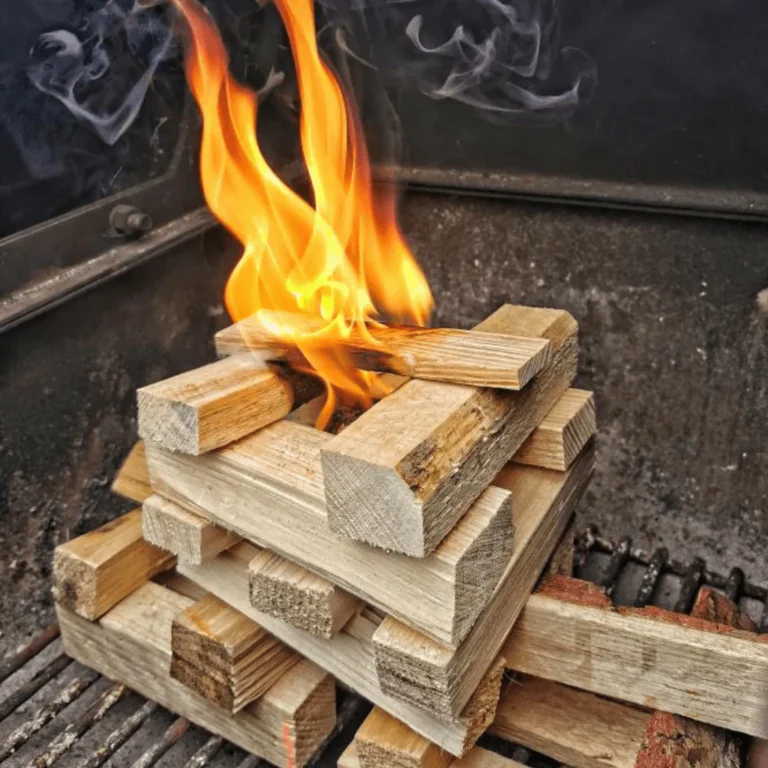
If you rely on a wood-burning stove, the way you build your fire matters. Using the top-down lighting method creates a cleaner, hotter burn. This involves placing larger logs at the bottom, smaller pieces on top, and finishing with luxury quality kindling and a natural firelighter.
This method warms the chimney flue quickly, creating a strong draw that reduces smoke. Fast, hot fires prevent the buildup of creosote in your chimney, keeping your appliance safe and highly efficient all winter.
Common Heating Mistakes to Avoid
Many people unknowingly engage in habits that ruin their home’s energy efficiency. One of the most common mistakes is drying wet laundry directly on radiators. This blocks heat from circulating around the room and releases excess moisture into the air, making the home harder to warm up.
Another myth is that leaving your heating on low all day saves money. In poorly insulated UK homes, this simply means heat leaks out constantly. It is much more efficient to set a timer so your heating only comes on when you actually need it.
For stove owners, using scavenged or unseasoned wood is a major error. It damages your flue and provides terrible heat output. Always invest in proper logs and start your fire with luxury quality kindling to ensure maximum heat generation from the very first spark.
Product and Fuel Recommendations for Wood-Burning Stoves
Choosing the right fuel is just as important as maintaining your heating appliance. Hardwood logs, such as oak or ash, provide a long, steady burn that is perfect for cold evenings. Always look for “Ready to Burn” certified logs to guarantee a low moisture content.
Wood briquettes are another excellent option. Made from compressed sawdust, they are incredibly dense and offer an exceptional heat output. They are easy to store and produce very little ash, making them ideal for busy renters and property managers.
When sourcing your winter supplies, buying from a trusted UK-based online supplier like Lektowood Fuels ensures you receive consistent, high-performing products. Combine their premium hardwood logs with a handful of luxury quality kindling for a reliable, roaring fire that will effortlessly heat your living space.
Conclusion
Keeping your property comfortable during the colder months does not have to be a frustrating or expensive challenge. By improving your insulation, managing your thermostat smartly, and addressing common draughts, you can easily master efficient home heating in the UK.
Remember to balance your central heating with effective secondary sources like a well-maintained wood-burning stove. Using high-quality, dry fuels and proper fire-starting techniques will maximize your heat output while keeping running costs low. Implement these simple strategies today, and you will enjoy a warmer, more welcoming home all winter long.

0 Comments