

Summary
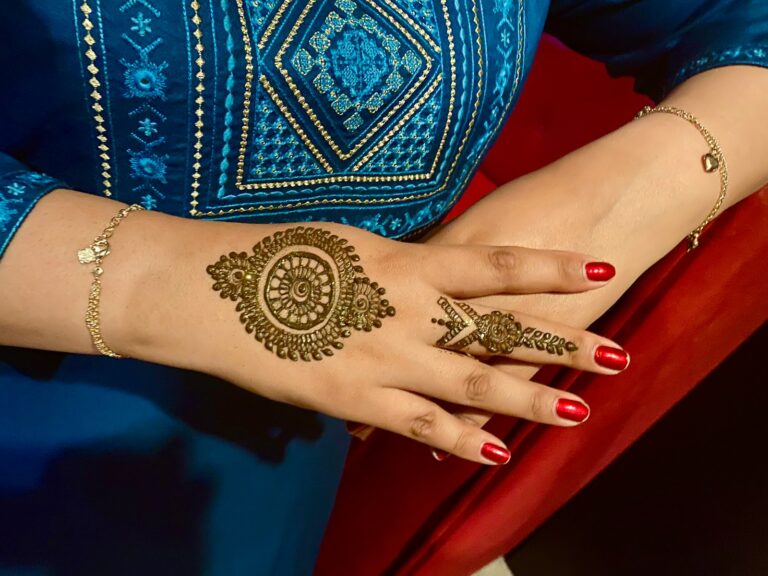
Mehndi design is more than a form of body art—it’s a timeless cultural tradition blending elegance, creativity, and symbolism. From weddings and festivals to casual expressions of style, mehndi continues to evolve with fresh patterns and innovative fusions. In this article, we explore the rich history, trending styles, modern techniques, and expert tips surrounding mehndi design in 2025. Whether you’re a bride-to-be, a henna artist, or just someone who appreciates intricate body art, this comprehensive guide is your ultimate source of inspiration.
The Origin and Significance of Mehndi Design
Mehndi, or henna, has deep-rooted cultural and spiritual significance across South Asia, the Middle East, and North Africa. Derived from the leaves of the Lawsonia inermis plant, mehndi paste has been used for over 5,000 years to adorn hands and feet for:
- Weddings: Symbolizing love, prosperity, and protection.
- Festivals: Including Eid, Diwali, Karva Chauth, and Teej.
- Rituals: Spiritual cleansing and celebration.
- Self-expression: A creative outlet for modern women and men alike.
Its cooling properties and natural stain have made it a cherished tradition passed through generations.
Popular Types of Mehndi Design
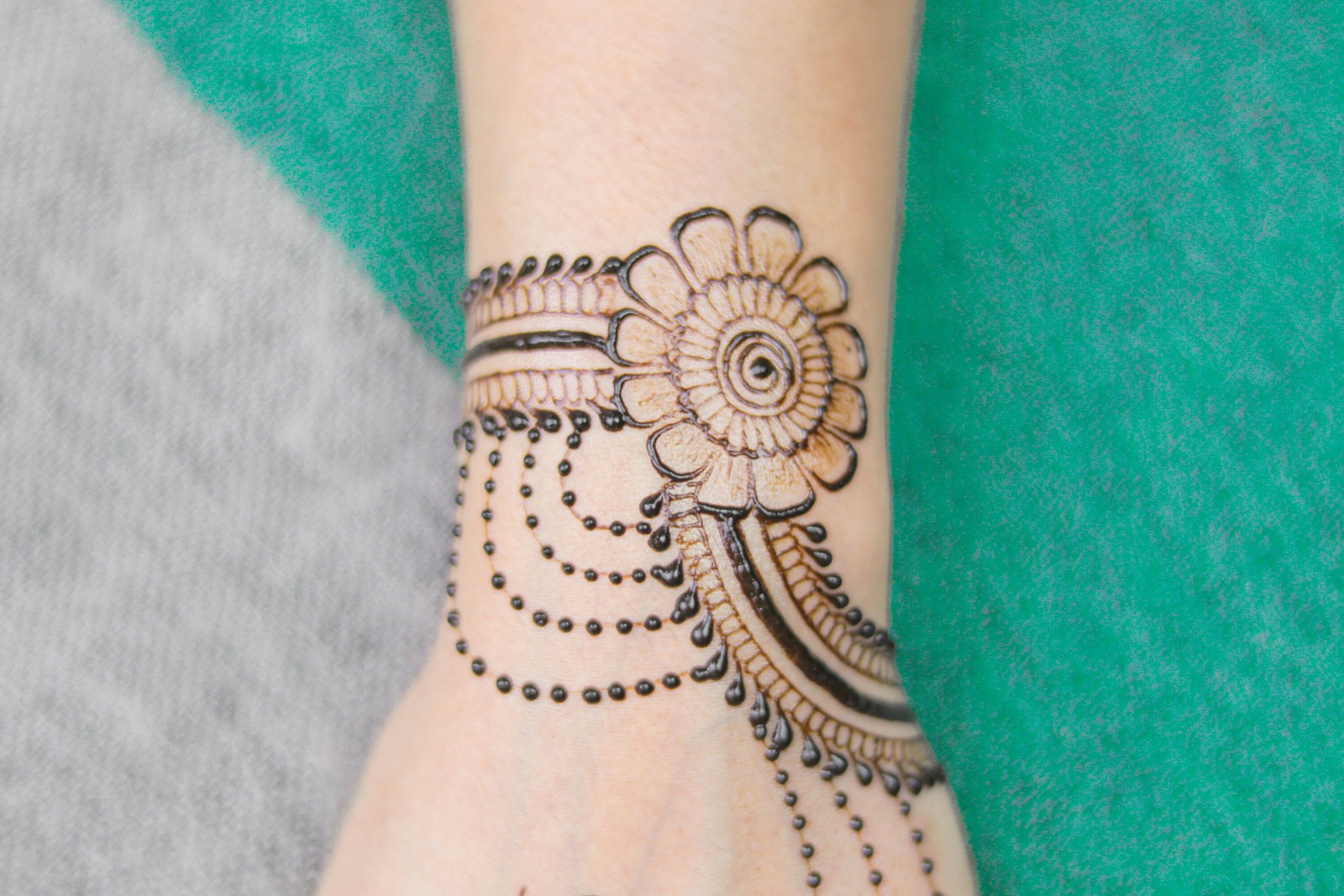
Today, mehndi design comes in several distinct styles. Each has its own unique flair and cultural essence:
1. Indian Mehndi Design
- Features fine lines and intricate patterns.
- Includes motifs like peacocks, flowers, paisleys, and bridal figures.
- Often covers the entire hand and arm, perfect for weddings.
2. Arabic Mehndi Design
- Known for bold strokes and floral artwork.
- Designs are typically spaced out, offering a minimalist look.
- Ideal for casual events and modern aesthetics.
3. Pakistani Mehndi Design
- A mix of Indian and Arabic styles.
- Incorporates geometric shapes, domes, and detailed patterns.
- Frequently used for religious and formal occasions.
4. Moroccan Mehndi Design
- Inspired by tribal and Berber art.
- Uses angular, geometric, and symmetrical patterns.
- Suited for those who love edgy, abstract designs.
5. Western/Contemporary Mehndi Design
- Features modern elements like dreamcatchers, mandalas, and even tattoos.
- Fusion of cultures, ideal for fashion-forward individuals.
- Often found in music festivals and international weddings.
2025 Mehndi Design Trends
The mehndi design landscape in 2025 showcases a beautiful mix of tradition and innovation. Here are this year’s top trends:
Minimalist Mehndi
- Clean lines and small motifs.
- Popular among millennials and Gen Z.
- Often placed on the side of the hand, fingers, or back.
Mandala Madness
- Centered circular patterns with radial symmetry.
- Found on palms, backhands, and feet.
- Symbolic of unity, peace, and eternity.
White and Glitter Mehndi
- Uses white henna or glitter gel for decorative looks.
- Temporary and perfect for photoshoots or fashion events.
Bridal Portraits
- Personalized designs with faces of the bride and groom.
- Include wedding elements like dhol, elephants, and dates.
Tattoo-Inspired Mehndi
- Looks like a real tattoo but fades away in 1–2 weeks.
- Merges Western tattoo culture with henna art.
Step-by-Step: How to Apply a Mehndi Design
Here’s a simple guide for beginners or DIY enthusiasts to try mehndi at home:
- Prepare the Paste
Mix henna powder with lemon juice, sugar, and essential oils. Let it rest for 6–12 hours. - Fill the Cone
Use a plastic sheet or ready-made cone. Cut the tip for your preferred thickness. - Clean the Area
Wash hands or feet to remove oils and moisture. - Start Designing
Begin with outlines, then fill in details. Work from fingers down to the wrist for easy handling. - Dry Naturally
Allow mehndi to dry for 4–8 hours. Avoid water during this time. - Seal It
Use lemon-sugar syrup to darken the stain. Leave overnight if possible. - Scrape Off
Do not wash with water. Instead, scrape gently for a deep reddish-brown stain.
Mehndi Design Ideas for Every Occasion
For Brides
- Elaborate full-hand and full-leg designs.
- Include names or initials of the groom.
- Symmetrical patterns with wedding symbols.
For Festivals
- Palm and finger-focused designs.
- Diya, lotus, crescent moon, and mandala motifs.
- Quick and easy to apply.
For Kids
- Small, cute designs like butterflies, stars, or hearts.
- Use less drying time and fewer chemicals.
For Casual Wear
- Wristbands, rings, and anklet-style mehndi.
- Arabic or minimalist styles work well.
Tips to Make Your Mehndi Design Last Longer
- Avoid washing the design for the first 24 hours.
- Apply eucalyptus oil or balm after scraping.
- Stay away from detergents and chlorinated water.
- Keep the area warm; heat deepens the stain.
Common Mistakes to Avoid
- Using old henna: Expired paste loses its staining power.
- Applying on oily skin: Reduces absorption.
- Washing with water immediately: Fades the stain quickly.
- Using black henna: Often contains harmful chemicals like PPD.
Mehndi Design for Different Body Areas
While hands and feet are traditional, here are more creative placements gaining popularity in 2025:
- Shoulder and back designs: For off-shoulder dresses.
- Neck mehndi: Paired with chokers or necklaces.
- Belly mehndi: Popular with maternity shoots.
- Arm bands and cuffs: Statement jewelry-like mehndi art.
The Role of Mehndi Artists in 2025
The demand for skilled mehndi artists is on the rise. Many offer:
- Custom bridal packages
- Virtual trials via AR apps
- Group bookings for events
- Organic and hypoallergenic paste options
Whether self-taught or professionally trained, artists now promote their work through Instagram, TikTok, and Pinterest—offering tutorials, live demos, and even international workshops.
DIY vs. Professional Mehndi Design
| Feature | DIY Mehndi | Professional Mehndi |
|---|---|---|
| Cost | Low | Medium to high |
| Skill level required | Beginner to intermediate | Expert |
| Customization | Limited | High |
| Stain intensity | Medium | Deep and rich |
| Ideal for | Casual, small events | Weddings, big festivals |
If you’re planning a wedding or want picture-perfect results, a pro is your best bet. For fun or festivals, DIY kits work just fine.
Top Tools and Products for Mehndi Design
Cones & Applicators
- Pre-filled cones with different tips
- Jacquard bottles for fine detailing
Design Stencils
- Great for beginners
- Peel-and-stick templates save time
Henna Powders
- Organic brands like Nupur, Karishma, and Jamila
- Avoid ones with added dye or chemical agents
Accessories
- Sealants (lemon-sugar spray)
- Aftercare oils
- Glitter mehndi pens for creative accents
Cultural Revival and Modern Adaptation
Mehndi is now a fusion of culture, art, and lifestyle. Beyond religious or cultural rituals, it’s embraced globally by fashion influencers, brides from diverse backgrounds, and even celebrities on red carpets.
Global Expansion
- Bridal mehndi is popular in the US, UK, UAE, and Australia.
- Non-traditional brides opt for henna tattoos instead of permanent ink.
- Fashion designers incorporate mehndi elements into fabric prints.
Expert Advice from Top Mehndi Artists
“The key to a beautiful mehndi design is patience. Take your time, layer your patterns, and let the paste dry naturally.”
– Priya Kapoor, Celebrity Mehndi Artist
“Never compromise on the quality of henna. A rich, natural stain speaks volumes about your art.”
– Zoya Ahmed, Bridal Henna Specialist
Final Thoughts
Mehndi design continues to captivate hearts with its timeless charm and evolving beauty. Whether you prefer traditional bridal styles or minimalist expressions, there’s a mehndi pattern for every occasion, personality, and culture. With endless styles to explore, from Arabic elegance to bold tattoos, now is the perfect time to express yourself through this ancient yet ever-modern art form.
Let your skin become your canvas and your story be told—one swirl at a time.

0 Comments